
Planning your first safari in Tanzania comes down to six decisions: when you go, which parks you visit, how many days you give it, how you travel between parks, what kind of camp you sleep in, and who you book with. Get those right and the rest is paperwork and packing.
This guide takes the decisions in the order we walk guests through them, along with the trade offs we explain on the phone every week.
If you want to know what the days feel like once you arrive, read what to expect on a safari in Tanzania. This guide covers the planning decisions.
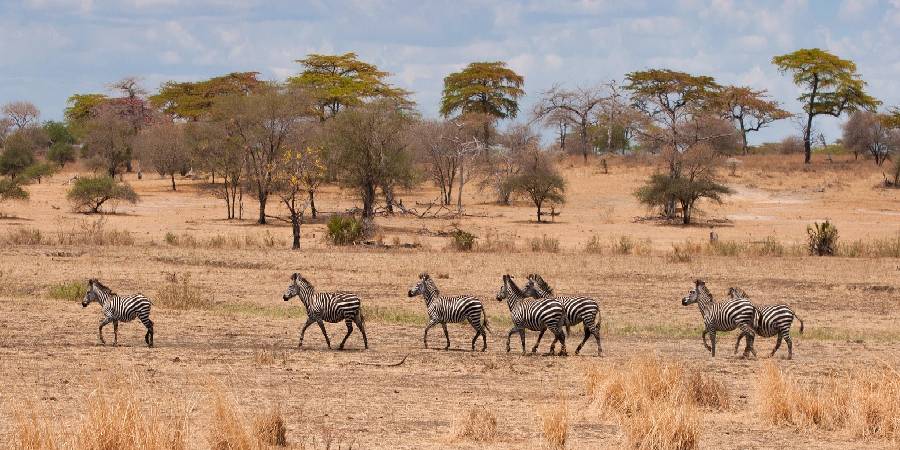
There is no single best month. There is only a best month for what you want to see.
Late June to October (dry season). The grass is short, water is scarce, and animals gather near rivers and waterholes, so wildlife is easy to find. It is also peak season, which means more vehicles at sightings and higher prices. If you can, go in late June or early July, just before the busiest weeks.
November and December (short rains). The parks turn green, there are fewer vehicles, and migratory birds arrive. Rain usually comes in short afternoon bursts, and some roads get muddy.
January to March (calving season). Hundreds of thousands of wildebeest calves are born on the southern Serengeti plains within a few weeks, usually peaking in February, and predators follow the herds. It is some of the best predator action of the year, and it is quieter than July to September.
April and May (long rains). Prices are lowest and the landscape is lush. Rain is heavy, roads are slow, and some camps close. It suits flexible travelers who care more about price than guaranteed sightings.
It is not a single event. Well over a million wildebeest, along with zebra and gazelle, move in a loop around the Serengeti and Masai Mara, and where they are depends on that year’s rains, not the calendar. River crossings in the northern Serengeti usually happen between July and September, but nobody can promise you a crossing on a given day. If crossings are your priority, plan at least three nights in the north and treat any crossing as a bonus.
In practice, you can see migration at any time of the year. But if you want to witness specific events of the migration such as river crossing or calving, then we can help you plan for that, and advice you accordingly.
Serengeti National Park. The headline park, and the reason most people come. It is enormous, so the area you stay in matters more than the camp’s star rating. Give it at least two nights, three if you can. A lion or leopard sighting here is common. A guaranteed one is not.
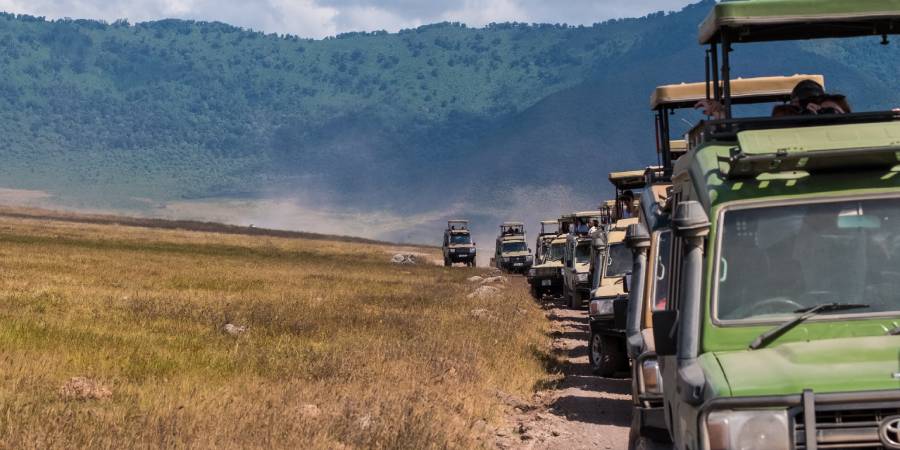
Ngorongoro Crater. A volcanic caldera with dense wildlife on the floor, including a real chance of black rhino. It is the busiest place on the circuit, and time on the crater floor is limited to about six hours. It is still worth it. Go down at first light, before the crowds. The rim sits around 2,200 meters and is cold at night.
Tarangire National Park. Big elephant herds, baobab trees and fewer vehicles. It is at its best from June to October and about two hours from Arusha, which makes it a good first stop.
Lake Manyara National Park. Smaller, with forest, birds and a lake whose flamingo numbers depend on water levels. Tree climbing lions exist but you should not count on them. Include it if you want a gentle day and good birding. Skip it if you are short on time.
Arusha National Park. Close to town, with views of Mount Meru and sometimes Kilimanjaro, and walking safaris. It fits a half day before or after your main trip.
What about the southern parks? Nyerere and Ruaha are remote, quiet and excellent, but they usually need flights and cost more per day. Most travelers do better saving them for a second safari.
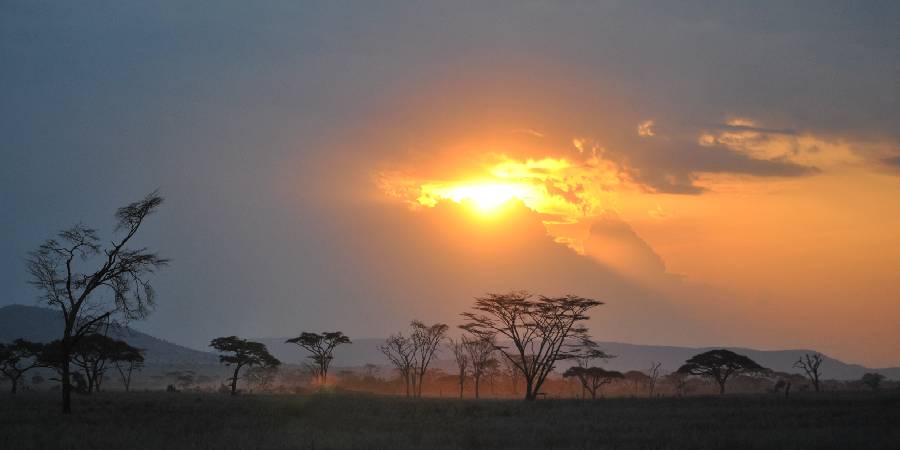
Price comes down to a handful of things:
For reference, our 6 day classic safari starts from $3,320 per person and our 9 day Signature Tanzania and Zanzibar tour starts from $5,920 per person. If a quote for the same route is far below that, ask what has been cut. It is usually the lodge standard, the number of people in the vehicle, vehicle maintenance, or fees that are not included.
Always ask for a written list of what is included and excluded. Check park fees, airport transfers, bottled water, meals and taxes.
The Serengeti costs more because of three charges that the parks closer to Arusha and Moshi mostly do not have. The authorities set the fees, not your operator, and they change from time to time.
Add the extra day of driving or the cost of a flight, and the Serengeti usually costs noticeably more per day than the other northern parks. That does not make it a bad choice. It means you should compare quotes for the same route and the same number of Serengeti nights.
Going down into the crater adds a second charge. Every person pays the Ngorongoro Conservation Area entry fee, and the vehicle pays a separate crater service fee for entering the crater floor. It is charged per vehicle, so it costs less per person when more people share the vehicle.
The crater service fee is on top of the normal entry fee for people, and it is much larger than the vehicle charges in the other parks.
That is why a day in the crater usually costs more than a day in Tarangire, Lake Manyara or Arusha National Park.
Accommodation ranges from public campsites and simple tented camps to mid range lodges, luxury camps and seasonal mobile camps that follow the herds. We describe each style in what to expect on a safari in Tanzania. For planning, the style matters less than the location, which is what the rest of this section covers.
Location matters more than thread count. A simple camp in the right part of the Serengeti for your month saves you a two hour drive each way.
It depends on the park.
Serengeti: stay inside. The Serengeti is huge, and the best wildlife areas are a long way from the gates. If you stay outside and drive in each day, you lose hours on the road before and after your game drives, you may miss the best light at dawn and dusk, and you pay park entry again for each day you enter. Sleeping inside lets you start at first light and finish the day without a long drive back. The concession fee is part of the cost of doing the Serengeti properly.
Tarangire, Lake Manyara and Ngorongoro Crater: you have both options. All three offer accommodation inside and outside.
Our advice: if budget matters most, stay in Karatu. If you want the feeling of being in the bush, spend at least a night or two inside.
Some guests prefer to book their own lodges, and that is a reasonable thing to want. The risk is that a lodge that looks perfect on a booking site can be wrong for your route. Accommodation has to fit the itinerary: where you spend each day, how far it is from the lodge, and what that driving costs in time and money. We have seen two typical cases.
The lesson is the same in both cases. Tell your operator before you book. A good one will tell you honestly whether the lodge fits the route, suggest alternatives in the same budget and style, and plan the days around where you sleep. If you have found a lodge you love, send us the link and we will tell you whether it works.
By road, Arusha to the Serengeti takes roughly eight to ten hours with stops, including a stretch of rough road. It costs less and you see Karatu, the Ngorongoro highlands and Maasai villages along the way.
By air, small planes fly from Arusha to Serengeti airstrips in about an hour or so. You spend more of your trip on game drives. Baggage is usually limited to around 15 kilograms in a soft bag.
Our advice: if you have three days or fewer and the Serengeti is the priority, fly one way. If you have seven days or more, the road is fine. See our fly in and fly out safari options.
A joined group cuts the price, but you share a vehicle with strangers and follow a fixed schedule.
For a first safari, we recommend a private vehicle if your budget allows it, especially if you are photographing, traveling with children, or want to stay longer at a sighting.
Visa and passport. Most visitors need a visa. Apply online through the official Tanzania immigration portal before you travel, and check the rules for your passport. Your passport should have at least six months of validity.
Health. See a travel clinic six to eight weeks before departure to discuss malaria prevention and vaccines. A yellow fever certificate is required if you arrive from or transit through certain countries, so check your route. Make sure your travel insurance includes emergency medical evacuation.
Money. Bring US dollars in cash for tips and small purchases, and make sure the notes are recent, 2009 or newer, because older notes are often refused. Lodges usually take cards. ATMs are available in Arusha.
Tipping. It is not included in most prices. As a rough guide, many travelers give the driver guide around $20 to $25 per day per vehicle and add a shared tip for camp staff. We give exact guidance with every itinerary.
Packing. Use a soft duffel, not a hard suitcase, because bags have to fit in the vehicle and on small planes. Bring layers, because early morning drives are cold. We cover the full list in a separate safari packing list guide.
Safari days follow the animals and the light: an early drive, a break at midday, and an afternoon drive. The exact rhythm changes with the park, the season, the itinerary and the guests. For a full walk through a typical day, read what to expect on a safari in Tanzania. Here we cover the one choice that affects how you plan: how early to start.
Early morning is the best time to see wildlife, for three reasons. It is cool, so animals are active and moving. Predators like lions, leopards and hyenas are finishing their overnight hunting, so you have a better chance of finding them, and sometimes of seeing them with a kill. And the light is soft, which is better for photos, and fewer vehicles are out. By late morning the heat builds and most animals rest in the shade, where they are much harder to see.
What if you prefer to sleep in? That is your choice, and a good guide will plan around you. Just be clear about the trade off. A late start means you often miss the most active hours: cats that have already settled into the shade, hunts that have already ended, and herds heading to water in the cool of the morning. You can still have a great safari, because afternoon drives and full day drives make up some of it. If predators or photography matter to you, we recommend at least a few early starts, even if you take a lie in on other days. Tell us when you book so we plan the itinerary around how you like to travel.
At night you may hear hyenas, hippos and sometimes lions. Staying in a tented camp is safe: camps follow clear rules and staff escort you to your tent after dark.
For July to September and the Christmas period, book as early as you can, ideally six to nine months ahead, because the best Serengeti camps fill up. For the green season you can often book closer to your dates.
Yes, when you travel with a licensed operator and follow your guide’s instructions. Stay inside the vehicle at sightings, do not walk around camps at night without an escort, and take normal precautions in towns.
Five to seven days is ideal. Four days works if you keep the route simple, and three is only realistic if you fly.
Late June to October is the most reliable for wildlife viewing. January and February are excellent if you want calving season and quieter parks.
Both are excellent. Tanzania usually offers larger, less crowded parks and a wider mix of experiences, including Kilimanjaro and Zanzibar. Kenya is often cheaper to reach and has a shorter transfer from Nairobi to the Masai Mara.
Tell us your dates, your group and what you most want to see, and we will send you a realistic itinerary within 24 hours. Start your Tanzania safari plan. You can also read what to expect on a safari in Tanzania before you decide.
+255 767 626 058
info@loraadventuresafrica.com
Arusha, Tanzania

© 2026 Lora Adventures Africa. All Rights Reserved.